
Rear-Ended in Torrance: A Japanese-Speaking Family's Auto Claims Call, Interpreted Live
By Sagar Shankaran, Founder of CallSphere
After a Torrance fender-bender, a Japanese expat family calls the auto insurer's claims line in Japanese. The adjuster hears English; the claim starts on one call.
Key takeaways
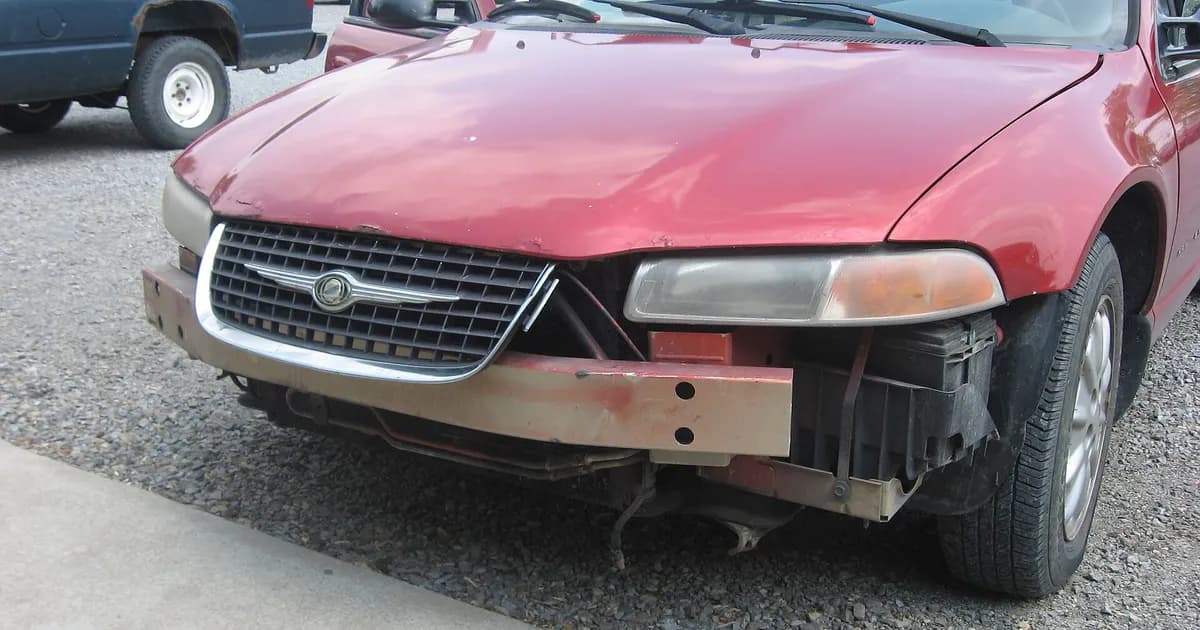
The other driver's insurance card is a photo on her phone. So is his license plate, the crumpled corner of her rear bumper, and the intersection sign. Yuki, whose family moved to Torrance two years ago for her husband's three-year posting with a Japanese company's US office, did everything the welcome packet told her to do after an accident. Now she has to call the claims line of the insurer on her policy, and the voice that answers will speak quick, scripted English full of words like "first notice of loss", "liability" and "rental reimbursement". She drives in English. She does not want to argue about fault in it.
This post follows Yuki's claims call with a live interpreter on the line, and what an insurer or local agency in the South Bay can set up so families like hers start a claim correctly the first time. Yuki and the insurer are composites.
Saturday morning on Hawthorne Boulevard
The accident is ordinary: stop-and-go traffic on a Saturday morning, a driver behind her looking at his phone, a low-speed bump. Nobody is hurt. Her children were in the back seat on the way to their Saturday Japanese classes, and they are fine but rattled.
Torrance and neighboring Gardena have long been home to one of the larger Japanese communities in the United States, including many families on multi-year corporate assignments. Many of the parents are comfortable in English for daily life and less comfortable on the phone with an insurer, where the stakes are money and fault and the vocabulary is technical. When that call happens in English only, two things tend to go wrong. The caller agrees with a statement she did not fully understand, or she hands the phone to a coworker of her husband's, who now knows details of her accident that were not his business.
The first notice of loss, heard in Japanese
With a live interpreter on the claims line, Yuki speaks Japanese and the claims representative hears English a few seconds later. The representative's questions reach her in Japanese. The core of the call:
Hear it before you finish reading
Talk to a live CallSphere AI voice agent for insurance agency in your browser — 60 seconds, no signup.
- The line offers a language. She chooses Japanese, and the interpreter voice greets her with "こんにちは" and explains, in Japanese, that a claims representative is joining and both sides will be interpreted.
- The representative asks for her policy number, the date, time and location. She reads the policy number from her card; the representative reads it back, and she confirms in Japanese.
- The representative asks: "Was anyone injured, including passengers?" She hears it in Japanese and answers that nobody was hurt, and that her two children were in the car.
- She describes what happened, in her own words and her own order, in Japanese. The representative hears it in English and asks follow-ups: was she stopped or moving, did police come, did she exchange information.
- She asks, in Japanese, whether her premium will go up. The representative explains that she cannot say on this call, that fault is decided during the claim, and what the next step is. Yuki hears exactly that, without softening.
- The representative explains the repair-shop options and her rental coverage, then gives the claim number. Yuki repeats the claim number back in Japanese; the representative hears her version in English and confirms it.
If you run a claims line or an agency, try the live interpreter in your browser: choose Japanese, have a colleague report a minor collision, and take the claim in English.
A claims-line flow for a minor collision
Here is the same call as a flow an insurer or agency could adopt, with Japanese and English on every step.
flowchart TD
  A[Policyholder in Torrance calls the claims line in Japanese] --> B[Line offers languages, caller chooses Japanese]
  B --> C[Representative hears policy number, date and place in English]
  C --> D{Anyone injured?}
  D -->|Yes| E[Injury steps explained in Japanese, medical follow-up noted]
  D -->|No| F[Vehicle damage and other driver details recorded]
  E --> F
  F --> G{Other driver at fault according to the caller?}
  G -->|Yes| H[Representative explains the liability review in Japanese]
  G -->|No| I[Own collision coverage and deductible explained in Japanese]
  H --> J[Claim number issued, repeated back in Japanese]
  I --> J
  J --> K[Photo upload link and repair shop list sent by text in English]
Note that the decision about fault stays with the claims process. The interpreter only makes sure the caller's account reaches the representative in full, and the representative's explanation reaches the caller in full.
What still has to happen in writing
A good phone call starts a claim. It does not finish one. After the call, the family still has written steps:
- Photos and documents uploaded through the insurer's usual channel.
- A police report, if one was made, requested from the department that responded.
- The state report. California expects drivers to report a collision to the DMV within ten days when anyone is injured or damage is over $1,000. Many expat families do not know this, and a claims representative who mentions it, in Japanese, does them a real favor.
- Repair estimates and rental receipts, kept and sent as the adjuster asks.
Written notices from the insurer remain in English. Families often run them through their own translation tools; plain sentences in those letters help.
Still reading? Stop comparing — try CallSphere live.
See the insurance agency AI agent handle a real call — complete, industry-specific, and live in your browser. No signup.
For insurers and agencies across Torrance, Gardena and the South Bay
- Offer the language choice first on the claims line and the agency's main number.
- Keep your English claims script. The interpreter carries it into Japanese, so you do not maintain a second one.
- Read every number back: policy, claim, phone, plate.
- Let the AI receptionist take after-hours claims calls, collecting the basic first-notice details in Japanese and booking a callback.
- Plan for the neighbors too. The South Bay also calls in Korean, Spanish and Chinese. The interpreter covers 57+ languages, and its in-call menu includes Korean, Spanish and Chinese.
The insurance overview shows how carriers and agencies use the platform for claims intake and policy service, and body shops on the other end of the same claim will find the automotive page useful. Current plans are on the pricing page.
Frequently asked questions
Is an interpreted claims call still a valid first notice of loss?
It is the same phone call your representative would otherwise take, with the caller speaking Japanese instead of English. How you record and document a first notice of loss is governed by your own procedures, which do not change. The interpreter only removes the language barrier.
Will the interpreter help the caller argue about fault?
No. It interprets both sides faithfully and takes no side. The caller describes what happened in Japanese, your representative hears it in English, and fault is decided through your normal claims process.
What about legal terms like liability and subrogation?
Your representative should explain them in plain English, and the caller will hear the explanation in Japanese. Short sentences and a quick check, such as "Does that make sense?", work better than reading policy language aloud.
Do policyholders need to call a special number for Japanese?
No. They call the claims number already on their ID card. The interpreter joins that ordinary phone call, offers a language choice, and carries both sides until the call ends.
The quickest way to judge it is to take a claim yourself. Open the live interpreter, choose Japanese, and run your first-notice script with a colleague playing the driver. Listen for whether the claim number, the injury question and the next steps all land.

Written by
Sagar Shankaran· Founder, CallSphere
LinkedInSagar Shankaran is the founder of CallSphere, where he builds production AI voice and chat agents deployed across healthcare, hospitality, real estate, and home services. He writes about agentic AI, LLM engineering, and shipping voice agents that handle real calls in production.
Try CallSphere AI Voice Agents
See how AI voice agents work for your industry. Live demo available -- no signup required.


