
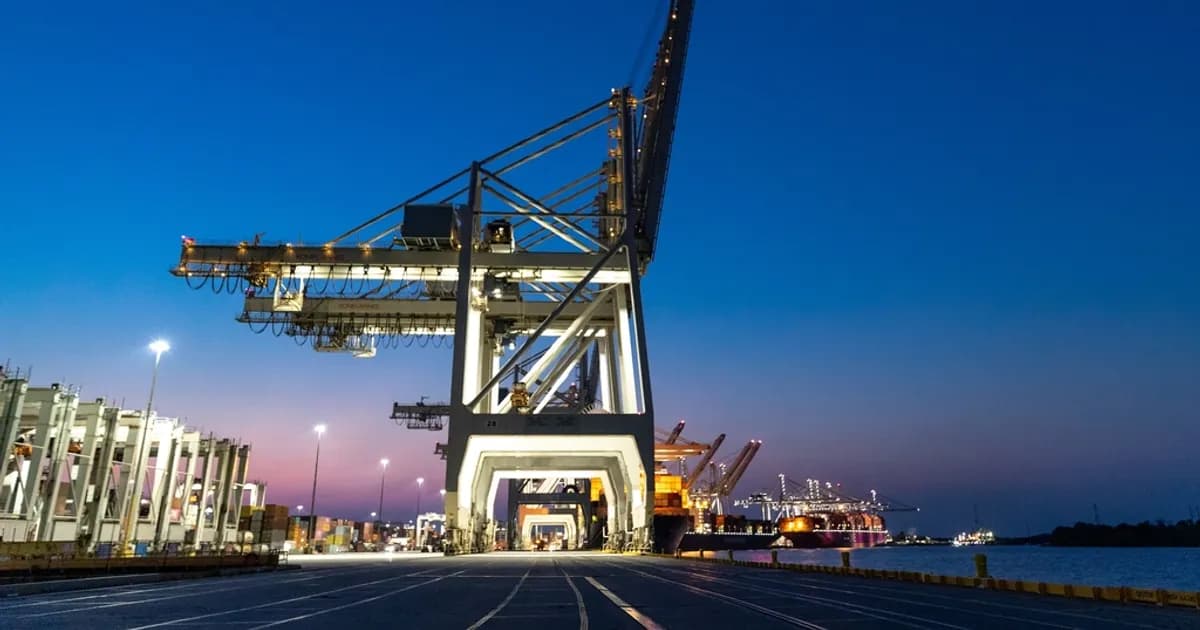
A Ningbo Exporter's Container Is Held for Exam in Long Beach: The Mandarin Callback
By Sagar Shankaran, Founder of CallSphere
A Ningbo shipper's container is held for a customs exam at Long Beach. The broker calls back in English, the exporter hears Mandarin: exam type, fees, next steps.
Key takeaways
4:40 p.m. at a small customs brokerage near the Port of Long Beach. The exam notice landed just after lunch: one 40-foot container of kitchen cabinets, shipped from Ningbo, selected by US Customs and Border Protection for inspection. The shipment moved on delivered-duty-paid terms, so the exporter, not the California buyer, is responsible for clearing it, and she is the one who needs to hear what happens next.
It is 7:40 a.m. tomorrow in Ningbo. Ms. Chen, who runs export for a family cabinet factory, is just getting to her desk. Her English is good enough for email and not much more. The broker's Mandarin is nonexistent. What follows is the call they have, with a live interpreter between them. (Ms. Chen and her factory are composites; the situation is routine on the San Pedro Bay ports.)
Why a held box becomes a language problem in Ningbo
An exam hold is ordinary customs business, but it raises three questions at once: what kind of exam, how much it will cost, and how long the box will sit. Each answer is full of terms that are hard enough in English.
Without an interpreter, the broker writes a careful email. Ms. Chen runs it through a translation app, which turns "intensive exam at the CES" and "per diem" into something odd. She replies with three questions. The broker answers the next morning Pacific time, which is late at night in Ningbo. A day is gone before anyone has agreed who pays for the drayage to the exam station, and the container is still running up terminal storage.
A phone call fixes the speed problem, but only if both people understand each other. That is the gap the interpreter closes: the broker talks in English, Ms. Chen hears Mandarin a few seconds later, and her questions come back in English while the broker is still on the line.
Hear it before you finish reading
Talk to a live CallSphere AI voice agent for logistics in your browser — 60 seconds, no signup.
The 4:40 p.m. callback, line by line
The best brokers run this call like a checklist. Here is roughly how it sounds:
- The broker opens with the container number, letter by letter and digit by digit, and asks Ms. Chen to read it back. She does, in Mandarin; the broker hears the same letters and digits in English and confirms.
- "Customs has selected this container for an exam. Right now it is an X-ray exam at the terminal." Ms. Chen asks, in Mandarin, whether this means something is wrong with the shipment. The broker says no: exams happen to compliant shipments all the time, and the broker will know more once the X-ray is reviewed.
- "If customs wants a closer look, the container will be trucked to an examination station and unloaded. That means extra charges for trucking, the station's labor and storage." She asks for the amounts. The broker says she will send an estimate in writing once the exam type is final, rather than guess on the phone.
- Ms. Chen asks whether she should do anything now. Yes: send the final commercial invoice and the packing list with the carton count by piece. The broker repeats the request; Ms. Chen repeats it back in Mandarin.
- They agree on the next call: tomorrow at the same time Pacific, which is her early morning.
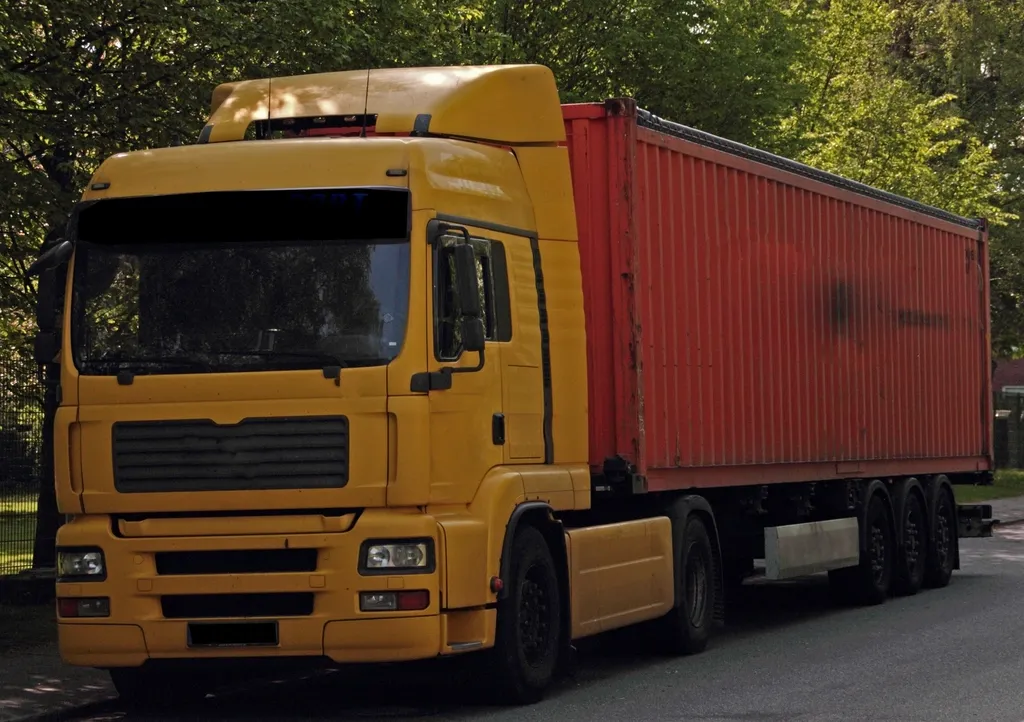
Following the held container from notice to release
Here is the flow the broker's team runs for every exam on a Mandarin-speaking shipper's box. The interpreter is on each call; the decisions stay with customs and the broker.
flowchart TD
  A[Exam notice arrives for the Ningbo container] --> B[Broker places callback to Ningbo]
  B --> C[Interpreter joins: broker speaks English, exporter hears Mandarin]
  C --> D[Container number read out and read back in Mandarin]
  D --> E{Type of exam?}
  E -->|X-ray at terminal| F[Box waits at terminal for review]
  E -->|Intensive exam| G[Drayage to the exam station booked, extra charges explained in Mandarin]
  F --> H{Documents complete?}
  G --> H
  H -->|No| I[Exporter told in Mandarin which invoice or packing list to resend]
  H -->|Yes| J[Broker confirms charges in writing, exporter approves by email]
  I --> J
  J --> K[Next update call booked for Ningbo morning]
  K --> L[Release confirmed, delivery appointment set with the trucker]
Fees, dates and the promises a broker should not make in any language
The broker should never promise a release date or quote a final exam cost on the call, and the interpreter makes that easier to say clearly, not harder. What gets said is exactly what gets heard.
That matters because a nervous exporter will press for certainty. "Will it be released by Friday?" The honest answer is that customs decides, exam stations work through their own queue, and charges depend on what happens. A broker who says that plainly in English is heard saying it plainly in Mandarin, rather than through an employee's softened summary or a cousin's optimistic one. Approvals for money still go in writing: the call explains, the email confirms.
When Ningbo calls at 6 p.m. Pacific
Overseas shippers call when their day starts, which is after your office closes. At 9 a.m. in Ningbo it is 6 p.m. in Long Beach in summer and 5 p.m. in winter, and the dispatcher has gone home.
CallSphere's AI receptionist can answer those calls in Mandarin, take the container number and the question, and log them in English for the morning team, with a callback booked for the shipper's morning. It does not invent status updates. If nobody has new information, it says so and promises the callback.
Still reading? Stop comparing — try CallSphere live.
See the logistics AI agent handle a real call — complete, industry-specific, and live in your browser. No signup.
Setting up the brokerage line for Mandarin-speaking shippers
- Lead every call with a read-back. Container numbers, booking numbers and amounts are read out and read back. It catches errors in any language.
- Swap jargon for plain words. Say "the trucking to the exam station" before you say "drayage to the CES". The interpreter carries plain English best.
- Keep a written trail. Summarize each call in a short English email; the shipper can translate it at leisure.
- Know California's recording rule. California requires everyone on a call to agree before it is recorded. Ask at the start.
The logistics overview covers dispatch, tracking calls and after-hours coverage for forwarders and brokers. Plans are on the pricing page.
Frequently asked questions
Does the interpreter know customs terms like ISF, demurrage and per diem?
It interprets what you say, and common trade terms generally come through. But a Ningbo exporter may use different words for the same charge. Explain each term in a plain sentence the first time; that helps the shipper as much as the interpreter.
Our shippers prefer WeChat to phone calls. Does this still help?
Yes, for the part that needs a conversation. Messages are fine for sending invoices and container numbers, but explaining why a box is going to an exam station, and answering the follow-up questions, goes faster on a call. Use the call to explain and your usual written channel to confirm.
Will it read back container numbers accurately?
Ask the caller to say the number slowly and read it back on every call. Letters and digits generally interpret cleanly, and a read-back catches the rare slip before it costs a day. Send the number in your follow-up email too, so both sides have it in writing.
How long will an intensive exam hold the container?
Nobody can promise, and the broker should say so on the call. It depends on the exam station's queue, what customs finds and whether documents are complete. What the broker can promise is a schedule of update calls, each one in Mandarin on her end, until the box is released.
The quickest test is a mock exam call. Open the live interpreter demo, choose Chinese, and listen to how "the container is going to the exam station" comes out on the shipper's end.

Written by
Sagar Shankaran· Founder, CallSphere
LinkedInSagar Shankaran is the founder of CallSphere, where he builds production AI voice and chat agents deployed across healthcare, hospitality, real estate, and home services. He writes about agentic AI, LLM engineering, and shipping voice agents that handle real calls in production.
Try CallSphere AI Voice Agents
See how AI voice agents work for your industry. Live demo available -- no signup required.


