
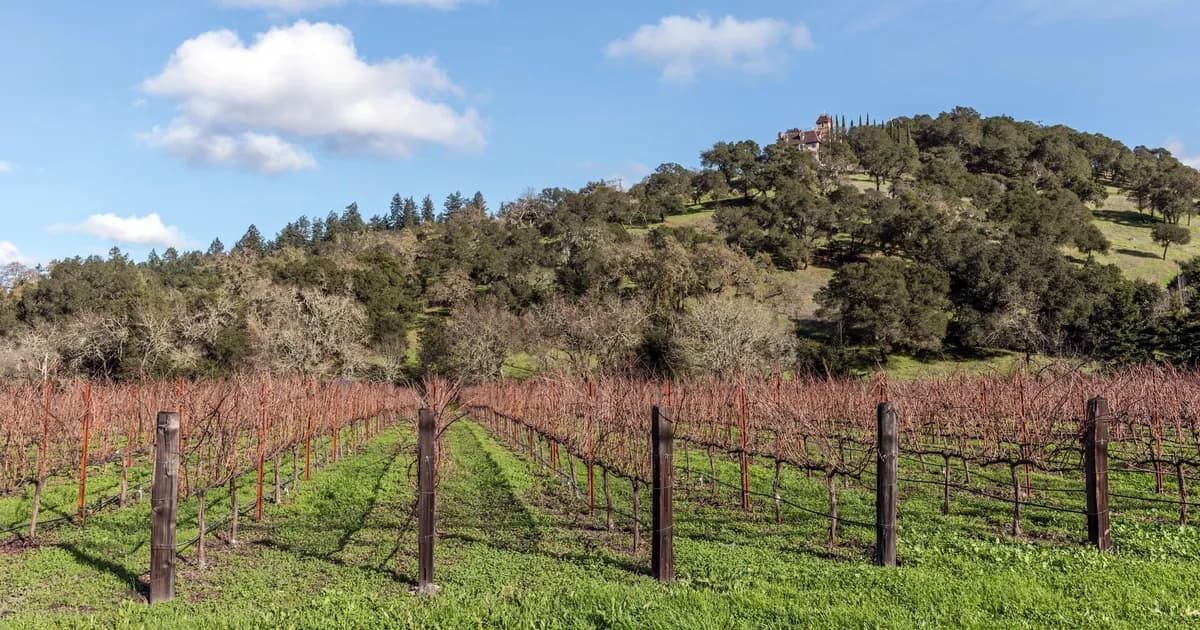
Thirty Lunches and a Bus at 12:15: A Guangzhou Tour Leader Books Napa in Mandarin
By Sagar Shankaran, Founder of CallSphere
A Guangzhou tour leader phones a Napa Valley restaurant in Mandarin to book lunch for 30: dietary needs, a fixed bus arrival time, and the call when the bus runs late.
Key takeaways
Thirty guests. One coach, due in the parking lot at 12:15 and leaving for a winery tasting at 1:45. Six vegetarians, one guest with a shellfish allergy, three who do not eat beef, two grandparents who would much rather have hot tea than iced water, and a tour leader who will be counting heads at the door.
That is the whole order. Every part of it has to cross from Mandarin to English intact, first on a booking call placed from Guangzhou weeks ahead, and again on a call from the bus on the day itself, when the coach is stuck on Highway 29. This post follows both calls at a Napa Valley restaurant that takes group bookings. (The tour leader, Ms. Huang, and her group are composites.)
Where a group lunch order goes wrong over the phone
Group lunches fail on details, and the details are exactly what gets lost when the restaurant and the tour leader do not share a language.
The usual workaround is email through a translation app. Ms. Huang writes that some guests "do not eat beef" and the app renders it fine; she writes that a guest "cannot have anything from the sea" and the manager reads it as a seafood preference, not an allergy. Nobody calls to check, because calling means a halting conversation in English that neither side enjoys. On the day, a shrimp garnish goes out on the wrong plate. Or the kitchen fires thirty entrees at 12:15 and the bus arrives at 12:50.
The booking call, as it actually sounds
With a live interpreter on the restaurant's line, the events manager speaks English and Ms. Huang hears Mandarin a few seconds later; she answers in Mandarin and the manager hears English. A good booking call runs like this:
Hear it before you finish reading
Talk to a live CallSphere AI voice agent for restaurant in your browser — 60 seconds, no signup.
- Ms. Huang chooses Chinese when the call connects and explains, in Mandarin, that she is booking for a group from Guangzhou on a Bay Area tour: thirty adults, a fixed arrival of 12:15 and a hard departure at 1:45.
- The manager offers the set group menu and asks for the dietary list. "How many vegetarians? Does anyone have an allergy?" She hears each question in Mandarin and answers: six vegetarians, three no beef, one shellfish allergy.
- The manager asks the follow-up that matters: "Is the shellfish a preference or an allergy? Would a small amount in a sauce make the guest ill?" Ms. Huang says it is a real allergy, and the manager notes it in capitals on the booking.
- She asks, in Mandarin, whether the restaurant can serve hot water and tea, and whether the soup can come out first, before the cold dishes. The manager agrees to both.
- The manager reads the whole order back in English, numbers included; Ms. Huang hears it in Mandarin and confirms. The deposit request follows by email, under the restaurant's usual terms.
If you take group bookings, you can hear this for yourself in a minute: try the live interpreter in your browser, choose Chinese, and have a colleague place a group booking in Mandarin.

What the kitchen needs on its ticket for thirty guests
The kitchen needs counts, not adjectives: how many plates of each kind, which seats get them, and which single guest has an allergy. The call's job is to turn Ms. Huang's description into that list.
A few habits make the difference. Ask for the allergy separately from the preferences, and ask what happens if the guest eats it. Ask for the vegetarian count and whether eggs and dairy are acceptable, since that varies. Write the bus times on the ticket so the line knows when to fire. Seat the allergy guest at the end of a table, and tell Ms. Huang where, so she can walk the guest to that seat.
Lunch day, mapped from the 11:50 call
On tour days, the second call is the one that tests the restaurant. Here is the flow a wine-country restaurant can run for any group that books in Mandarin.
flowchart TD
  A[Tour leader calls from the bus in Mandarin] --> B[Interpreter joins: host hears English]
  B --> C{Bus still due at 12:15?}
  C -->|Yes| D[Kitchen fires soup and tea at 12:10]
  C -->|Running late| E[Host asks the new arrival time and confirms the 1:45 departure]
  E --> F[Kitchen moves the fire time, courses tightened to fit]
  D --> G{Headcount changed?}
  F --> G
  G -->|Yes| H[Host repeats the new count and allergy seat back in Mandarin]
  G -->|No| I[Tables set as booked]
  H --> J[Group seated, allergy plate served first and marked]
  I --> J
The call from Highway 29
When the bus is late, the restaurant needs two numbers from the tour leader: the new arrival time and whether the departure time moves. Everything else follows from those.
At 11:50 Ms. Huang calls from the coach. Traffic out of San Francisco was bad and they are passing Yountville; the driver says 12:40. She also has news: two guests stayed behind in the city, so the count is twenty-eight, and one of the vegetarians is among them. The host hears all of it in English, repeats it back, and she confirms in Mandarin: twenty-eight, five vegetarian, the allergy guest still coming, departure still 1:45. The host tells the kitchen to hold the fire until 12:35 and to plate the allergy dish first. The group gets an hour instead of ninety minutes, and lunch still works.
Still reading? Stop comparing — try CallSphere live.
See the restaurant AI agent handle a real call — complete, industry-specific, and live in your browser. No signup.
Without the interpreter, this call is the one most likely to go to voicemail or end in confusion, because it comes during the lunch rush to a host who has thirty seconds.
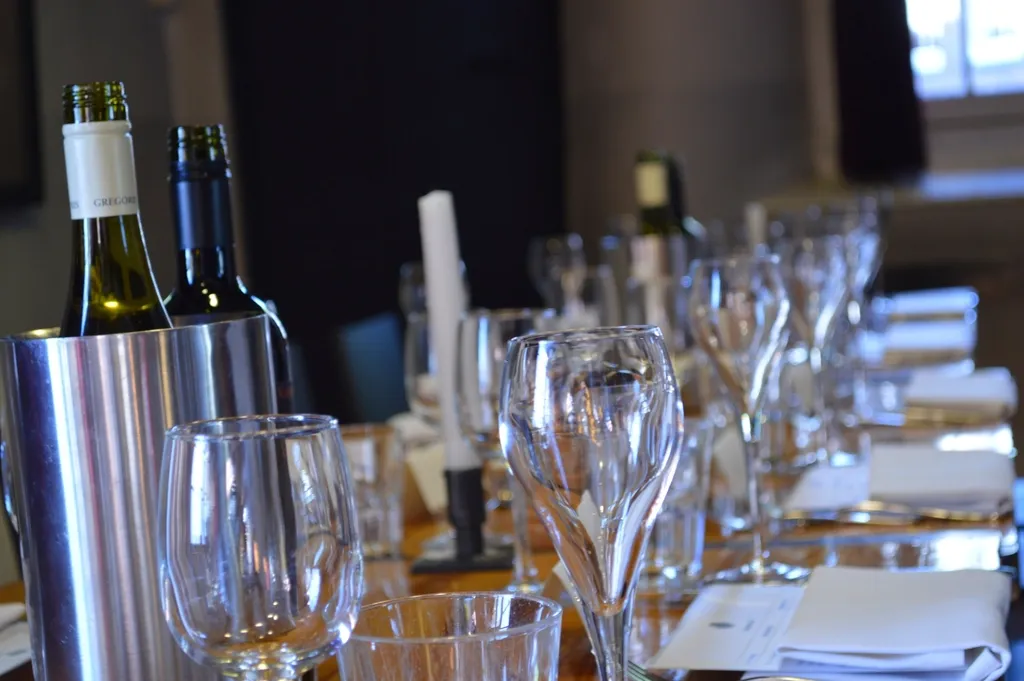
Setting up the reservation line for tour groups
- Answer group calls with a language choice. Tour leaders hang up on English menus. Offer the choice first.
- Use a fixed group checklist. Headcount, arrival, departure, vegetarian count, allergies, special requests, contact number on the bus. Read it back every time.
- Cover the calls that come at night. Bookings placed from China often arrive in the California evening. CallSphere's AI receptionist can take them in Mandarin and pass a clean English summary to your events manager.
- Keep deposits and menus in writing. The call agrees on the plan; email confirms it.
The restaurant overview covers reservations and after-hours calls more broadly, and the hotels page is useful if your tour groups also book rooms nearby. Plans are on the pricing page.
Frequently asked questions
The tour leader is from Guangzhou. Will she speak Mandarin or Cantonese?
Guangzhou is a Cantonese-speaking city, but tour leaders working with mixed groups almost always conduct business in Mandarin. If one of your regular partners prefers Cantonese, test that call before relying on it. The interpreter covers 57+ languages in all, and Mandarin is the one tour leaders from across China share.
Can the interpreter handle a call from a moving bus?
If the phone line is clear enough for a normal conversation, it is clear enough for the interpreter. Ask the tour leader to repeat key numbers, and repeat them back yourself. If the line drops, she can call straight back and pick the language again.
Will our host need training?
Very little. Short sentences, one question at a time, and a read-back at the end. Hand hosts the group checklist and let them place one practice call with a colleague in Mandarin; that is usually enough to make the real call feel routine.
Can it take the booking if nobody is free to answer?
Yes. The AI receptionist can answer in Mandarin, collect the group details on your checklist and book a callback, so the events manager starts the next morning with the order already written down in English and a callback booked to confirm it.
Before the next group from Guangdong, Shanghai or Beijing calls, open the live interpreter demo and run your group checklist through it once.

Written by
Sagar Shankaran· Founder, CallSphere
LinkedInSagar Shankaran is the founder of CallSphere, where he builds production AI voice and chat agents deployed across healthcare, hospitality, real estate, and home services. He writes about agentic AI, LLM engineering, and shipping voice agents that handle real calls in production.
Try CallSphere AI Voice Agents
See how AI voice agents work for your industry. Live demo available -- no signup required.


